
Field: Scent and Space
Thinking About the Scent of Space
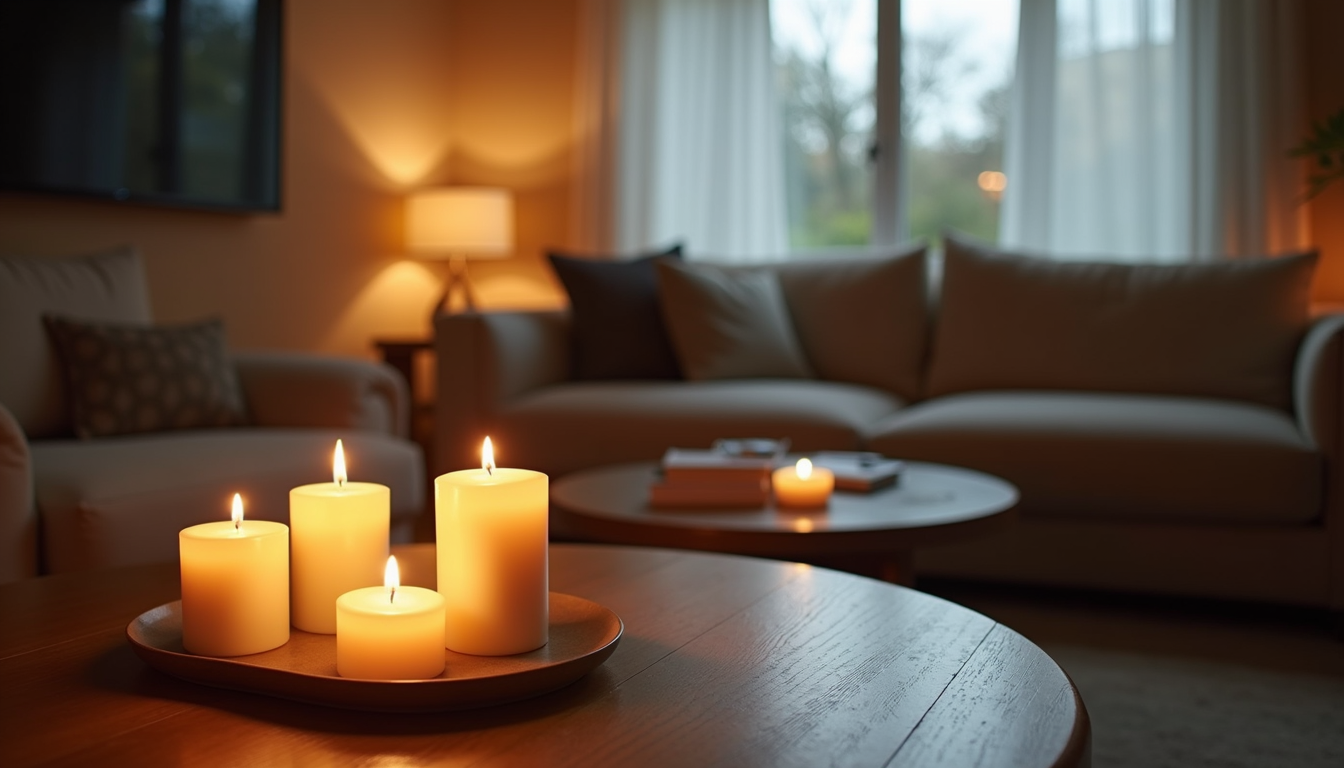
We sense space not only with our eyes, but through sound, temperature, touch, and scent. Where does scent exist within a space, and how do we recognize it?
Research Question
How is scent involved in the perception of space and in the memory of places?
Do We Sense Space With Our Eyes Alone?
The moment we step into a room.
What do we see first?
Walls, floors, furniture, light, windows.
Through vision, we grasp the size, shape, and brightness of the place.
Yet at the same moment, we are also receiving other information: the smell of wood, a feeling of slightly damp air, the scent of food drifting in from outside.
In other words, the “space” we sense is not created by vision alone.
Scent, too, may be one of the kinds of information through which we perceive space.
Scent Carries Information About Place
Scent does more than tell us that something is there.
Where is the scent coming from?
In which direction is it spreading?
How far away is it?
And what kind of environment does that place have?
Information of these kinds can be contained in the distribution of an odor.
In research on animal olfaction in particular, scientists study how animals use the distribution of odors and changes in their concentration to capture spatial information about objects, food, and routes of movement. The olfactory environment has temporal and spatial structure, and living organisms make use of it.
What about human beings?
Are we as clearly aware of a “map of odors” as we are of what we see?
Many questions remain here.
The Sense of “This Place Has This Smell”
Entering a station.
Entering an old wooden building.
Walking through a forest.
Standing near the sea.
Sometimes, before we can describe a place, we feel that “this place has this smell.”
This is not created by any single fragrance ingredient.
Plants, building materials, soil, food, people, humidity, temperature, ventilation — many elements overlap to form the olfactory environment unique to that place.
In recent years, this kind of odor perception in built environments has also been studied through the concept of the smellscape. Smellscape research discusses the relationships among people, odors, and the built environment, as well as methods for recording and analyzing odors.
Scent and Spatial Memory
When we think about the scent of a space, one more thing becomes important: memory .
Suppose, for example, that in a place you have not visited for years, you notice a scent similar to one from before.
In that moment, memories may be called back: the entrance of the building, the scenery you saw there, the people who were with you, the season at the time.
In recent years, the connection between scent and place has been studied from perspectives such as odor–place association and olfactory spatial memory.
A systematic review and meta-analysis published in 2025 examined, across 24 studies, people's ability to remember and judge places and routes using odors as cues. The research suggests that odors may function as landmarks in spatial memory and navigation.
This is a slightly different way of looking at scent than simply treating it as “spatial staging.”
Not “Creating” a Space With Scent
In spatial design using scent, one often finds the idea that “if we use this scent, this space will feel relaxing.”
At this laboratory, however, we want to think a little more carefully.
Because even the same scent is felt differently by different people.
And the experience changes not only with the scent itself, but with where, when, in what environment, and in what way it is presented.
For this reason, rather than a simple “scent → emotion” relationship, we need to think in terms of scent × space × time × context × personal experience.
Scent Moves Within a Space
One more important point, when treating scent as an object of spatial research, is that scent is not fixed in place.
A piece of furniture, once placed, basically stays in the same position.
Scent, however, moves with the air.
Temperature. Humidity. Airflow. Ventilation. The size of the space. Obstacles. The movement of people.
Under these conditions, the distribution of scent changes.
In other words, the scent of a space can be seen not as a “thing,” but as a phenomenon that changes within an environment.
This is a very important perspective for researching scent and space.
Questions From the Laboratory
At the Sakurai Morika Note Laboratory, we think of the scent of a space not merely as a way of “making a pleasant smell,” but as
sensory information for perceiving space
.
For example:
- Does the impression of the same scent change between a wide space and a narrow one?
- How do people recognize a space from differences in a scent's position and concentration?
- When scent and visual information do not match, how does the impression of a space change?
- How does the scent of a particular place connect with the memory of that place?
- What kind of “smellscape” exists in Japanese forests, temples, stations, and homes?
There is still much that is not sufficiently understood.
That is precisely why we begin with: observe, record, compare, think.
The Next Question
When we are asked, “What does this place smell like?”, what do we remember?
And is that answer a feature of the place itself, or something created by our own memories and experiences?
To think about space through scent is also to think about how people sense places.
The Sakurai Morika Note Laboratory will keep pursuing this question at the intersection of scent, space, and sensibility.
References
- Szychowska, M., Olofsson, J. K., & Cedres, N. (2025). Olfactory spatial memory: a systematic review and meta-analysis. Scientific Reports, 15, 38469. https://doi.org/10.1038/s41598-025-25503-5